
Welcome to the Well-being Wire, the bi-weekly newsletter focused on practical strategies and solutions that advance well-being in the workplace.
You Don’t Have a Participation Problem—You Have a Messaging Problem
If you’ve ever wondered why only a small fraction of employees engage with your well-being program, you’re not alone. Most well-being leaders have solid programs but struggle to cut through the noise. The secret? It’s not about more incentives or more reminders—it’s about how you guide employees from awareness to action.
Let’s look to the AIDA model—a timeless marketing framework that, when applied to well-being initiatives, turns passive employees into enthusiastic participants. At Propel, we help organizations implement this model to drive measurable behavior change and participation that actually sticks.
The AIDA model is a foundational concept in marketing that outlines the cognitive stages an individual goes through when interacting with a marketing message. AIDA stands for:
-
Awareness
-
Interest
-
Desire
-
Action
It serves as a roadmap for crafting effective marketing strategies that guide potential participants through a journey from initial awareness to taking action.
In the context of a corporate well-being initiative, understanding and applying the AIDA model can significantly enhance employee engagement and participation.
Let’s go through each of the stages in detail.
Awareness: Stop Assuming They Know
Awareness is where engagement begins—and where most well-being strategies fail.
Just because you sent an email doesn’t mean employees see it, much less absorb it. You must break through competing priorities and distractions.
-
Dynamic, eye-catching visuals on digital signage and intranet banners.
-
Champion-driven communication from trusted peers.
-
Vibrant, emotionally charged headlines that make people stop scrolling.
Your goal here is simple: make the invisible visible.
At Propel, we help clients design awareness campaigns that balance “top-down” messaging from leadership with “bottom-up” energy from well-being champions and teams across locations.
Interest: Make It Relevant or Lose Them
Awareness gets attention—interest keeps it.
Once employees know about your program, you must show them why it matters.
That means moving beyond generic “get healthy” messaging. Employees want to know:
-
How does this fit my goals?
-
What’s in it for me right now?
-
Will this actually help me feel or perform better?
We’ve seen engagement skyrocket when organizations share authentic employee stories—real colleagues talking about real wins. Propel often assists clients to embed testimonial-style videos or peer spotlights in their campaigns to take advantage of this concept.
Desire: Build the Emotional Spark
Interest informs. Desire inspires.
This is where emotion drives momentum. Whether you tap into the joy of success or the fear of missing out, emotion is the catalyst for change.
Emotional appeals use positive and negative emotions to stir up this sense of desire. Try using positive emotional appeals such as pride, peace, joy, and love when you create your marketing materials.
For example, showcasing a video of employees enjoying a mindfulness workshop and talking about its positive impact on their daily lives can evoke in participants a desire to achieve that kind of peace. Negative appeals can be just as powerful as positive emotional appeals when used properly. Whether you are aware of or not, you are exposed to dozens, if not hundreds of negative emotional appeals every day (think about the fear advertisers seek to generate for home security products, computer virus protection, auto insurance, heart health, cancer prevention, etc.).
As we consult with clients to get the most out of their campaigns, we provide recommendations to help organizations to balance positive aspiration with the right touch of prevention messaging.
Action: Make the Next Step Effortless
The final stage—action—is where engagement becomes measurable. Yet this is where friction often kills momentum.
A confusing sign-up process? Too many clicks? Employees drop off quickly.
The fix is simple: clear Calls to Action and minimal barriers.
The key is to make the process of participating as easy as possible, to remove any barriers that might deter employees from engaging. Note that this does not mean the activity itself ought to be easy. Building habits often takes longer than one initially expects and requires a cost of some type, whether that be time, energy, or money.
The AIDA model isn’t just marketing—it’s behavioral psychology in motion.
When applied correctly, it turns your well-being program from a passive offering into an active movement inside your organization.
Propel partners with employers to bring this framework to life—integrating it into communications, incentive design, and even digital experiences to deliver consistent, predictable engagement growth.
Ready to Turn Awareness into Action?
Your employees are busy. Your message has seconds to matter. Let’s make every second count.
Contact Propel today to see how our evidence-based engagement model can transform participation across your workforce.
Implications for the well-being administrator:
-
Most well-being programs don’t suffer from lack of value—they suffer from lack of attention, and the AIDA framework provides a proven roadmap to turn awareness into sustained participation.
-
By strategically guiding employees through the stages of Awareness, Interest, Desire, and Action, organizations can transform passive communication into powerful engagement that drives real behavior change.
-
Propel helps well-being leaders apply the AIDA model with precision—crafting campaigns, messages, and experiences that cut through the noise and inspire employees to take meaningful action.
If you like this content, share it with other well-being administrators.
We’re committed to discussing challenges common to well-being leaders and presenting practical solutions that increase the wisdom of all well-being professionals.

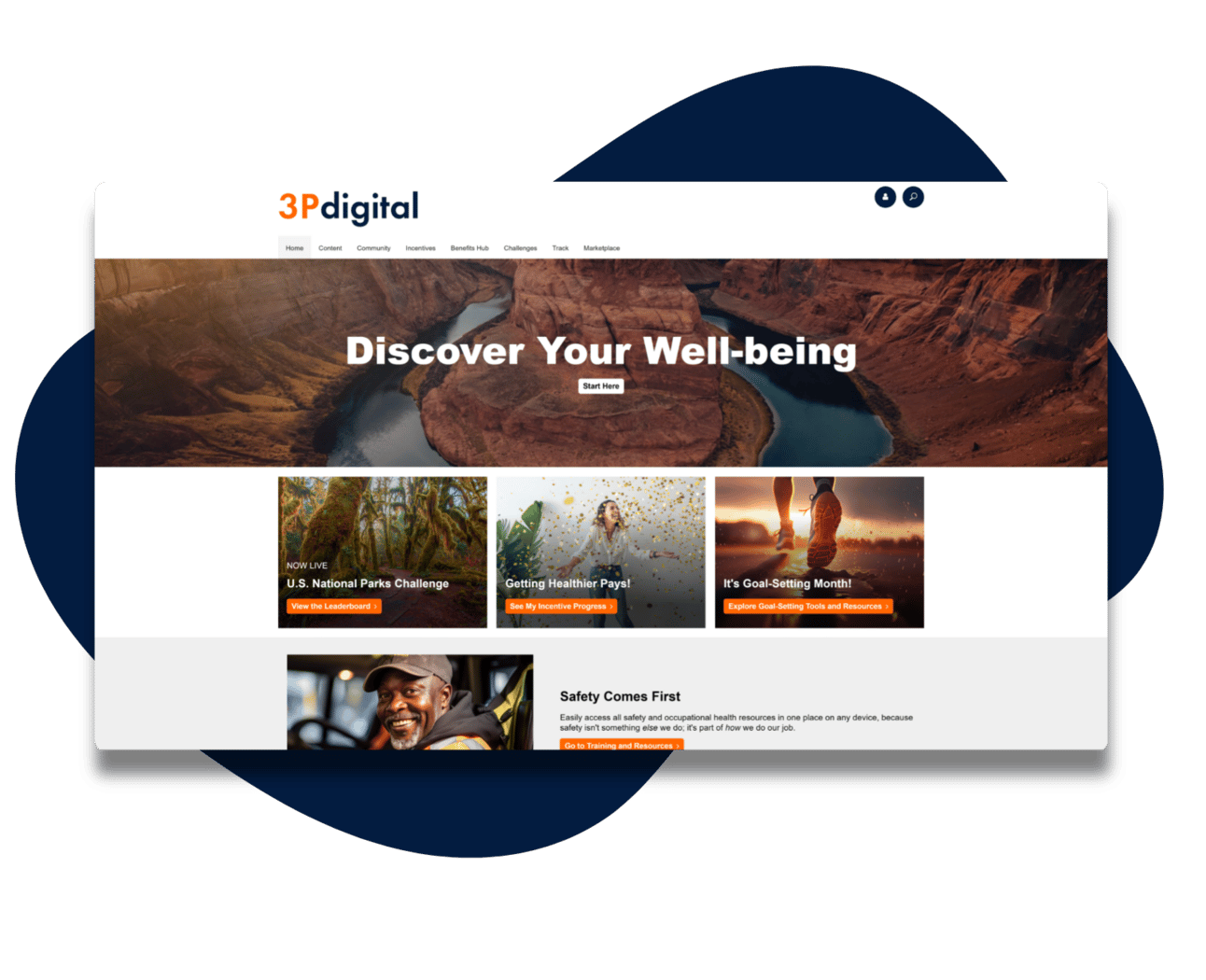
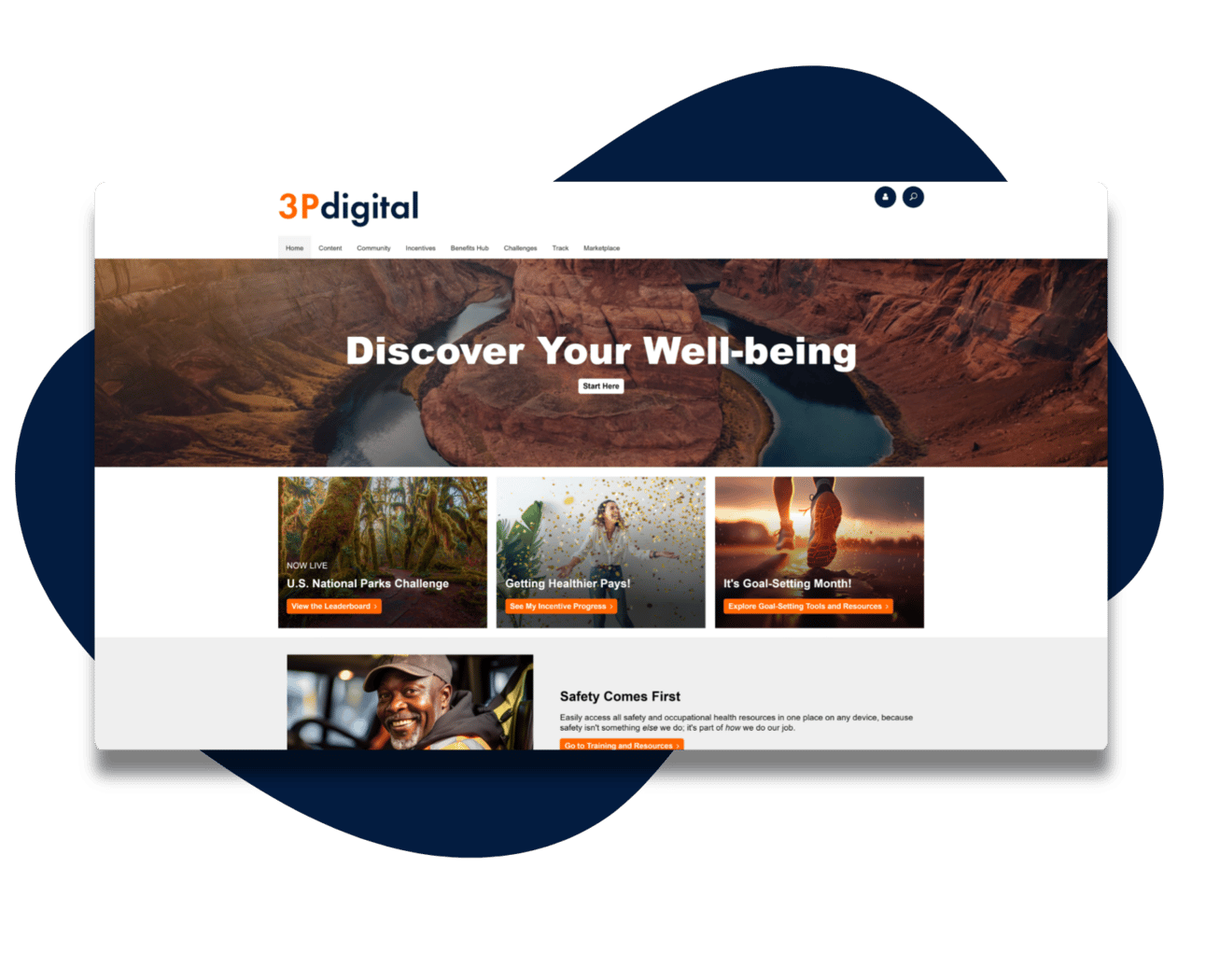
An example of a fully customized well-being portal designed by Propel
At Propel, we create made from scratch well-being platforms that are built to fit your brand, goals, voice, initiatives, and culture.
Propel partners with our clients by providing a dedicated team that works collaboratively on a weekly basis to develop a program plan, set metrics, create custom branded communication and marketing materials, plan and implement engagement initiatives, answer questions, and provide strategic advice.
From marketing and communication strategy and execution to well-being champions programming, we design your program (not ours).
If you believe there is value in a well-being program that truly integrates your organizational culture but need strategic guidance or a team to take the workload on for you, Propel would love to help. The easiest way to get started is by scheduling a strategy session with us to discuss your program.