
Welcome to the Well-being Wire, the bi-weekly newsletter focused on practical strategies and solutions that advance well-being in the workplace.
Many organizations build well-being programs with solid educational content, helpful tools, and supportive resources. Yet participation remains stubbornly low.
Leaders often think the solution is more reminders, more incentives, or more simplification. What they rarely consider is the influence of social modeling. Employees often need to see others succeed before they feel safe stepping into something new.
This is especially true in health behavior change, where people fear being judged, being the only beginner, or discovering the program was not worth the time after all.
Social proof reduces these fears by demonstrating that others have already had positive experiences. When employees feel confident that people like them have succeeded, participation no longer feels risky. It feels normal.
Coming Up Today on The Well-being Wire
-
Techniques to use real employee experiences to make your well-being program feel safe, credible, and worth the effort.
-
How to reduce fear, uncertainty, and self-doubt by elevating the stories of people who have already benefitted.
-
Building cultural momentum by making participation visible, familiar, and socially supported.
Share the knowledge! If you know someone who needs these insights, forward this newsletter and make their program better (and if someone already forwarded you this, click here to subscribe for future issues 🙂).
Why Psychological Safety Matters More Than We Realize
Trying anything new comes with emotional risk. Employees wonder whether they will fall behind, whether the experience will feel uncomfortable, or whether the program will be another time-consuming task that does not deliver much benefit.
The hesitation is not laziness. It is self-protection.
Psychological safety plays a central role in well-being participation. People are far more likely to engage when they believe that others within their own environment have tried something and found it valuable. This is why the absence of social proof becomes a barrier.
The program might be excellent, but without visible evidence that peers trust it, employees hesitate.
Why Tools Alone Do Not Build Trust
Many leaders assume that sophisticated tools, rich content, or generous incentives will persuade employees to participate. These may help, but they do not create trust on their own.
Employees place more weight on the experiences of colleagues than on polished communication. A tool can describe value. A peer can prove it.
This pattern is well established. Whether shopping online or choosing a service, people look for evidence that someone similar to them has already had a good experience. A well-being program that does not highlight real employee stories unintentionally feels untested. It may be backed by science and good intentions, but without social proof, credibility remains fragile.
How Social Proof Transforms Behavior
Social proof works because it changes what employees believe is possible, safe, and normal. Its impact shows up in three powerful ways.
1. It Reduces Uncertainty About Results
When employees see that others have gained energy, improved habits, or experienced positive outcomes, the program feels less like a risk and more like a smart choice.
2. It Normalizes Participation Within the Culture
Participation looks unusual when no one is talking about it. When employees see peers with similar workloads or life situations engaging successfully, the program becomes part of the cultural rhythm.
3. It Builds Hope Through Relatable Stories
Humans learn best through lived experience. Hearing that someone from the same organization made progress creates a sense of personal possibility. It moves participation from “maybe someday” to “maybe today.”
How to Use Social Proof Intentionally
Social proof does not appear on its own. It must be cultivated. Leaders can embed social modeling into communication by:
-
Sharing short testimonials from employees who have participated
-
Highlighting small wins, such as improved consistency or reduced stress
-
Making success visible in team meetings, your well-being portal, or marketing materials
-
Pairing programs with leader involvement to signal cultural importance
Small, repeated examples build trust faster than any one-time announcement.
Propel helps organizations bring social proof to the forefront by elevating real employee stories, making progress visible across teams, and aligning communication with cultural norms. Our customized well-being platform supports participation through community modeling, relatable examples, and personalized program design that removes fear and increases trust.
Implications for the well-being administrator:
-
Social proof is essential because it reduces fear, uncertainty, and the emotional risk involved in trying something new.
-
Employees trust relatable stories from colleagues far more than they trust tools, incentives, or corporate messages.
-
When success becomes visible and normalized within the culture, participation becomes a natural and confident choice.
Want more? Check out our full library of past issues here.

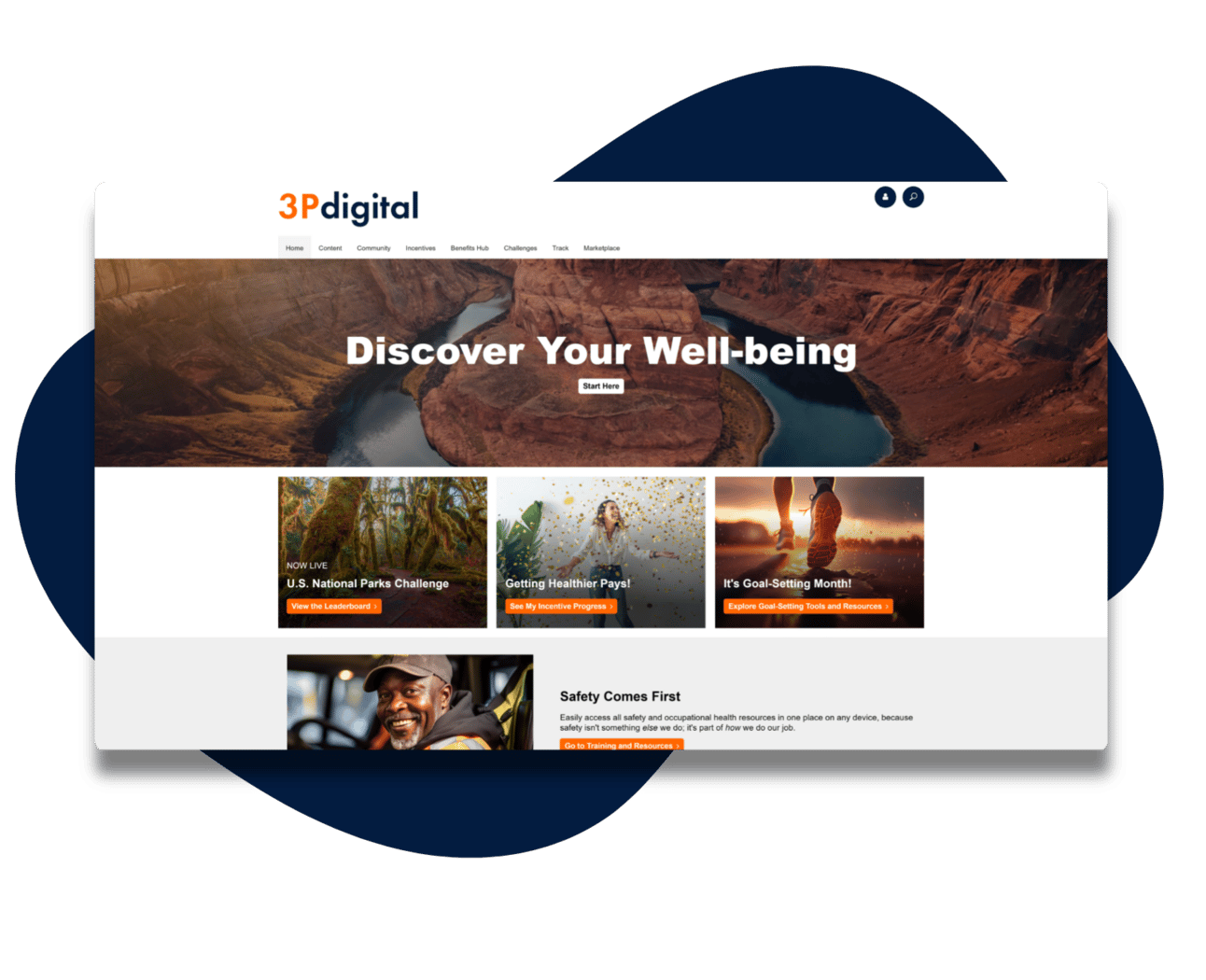
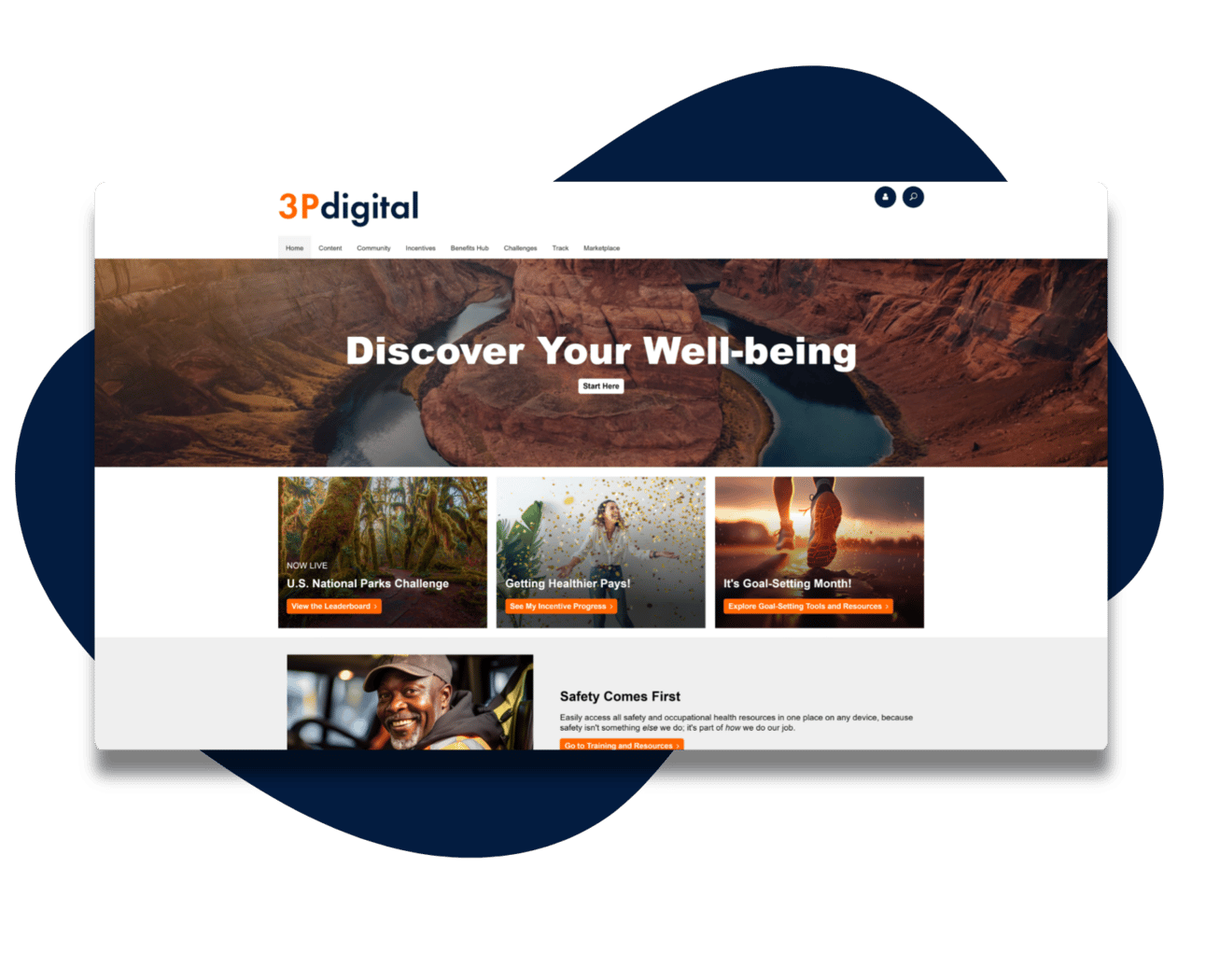
An example of a fully customized well-being portal designed by Propel
At Propel, we create made from scratch well-being platforms that are built to fit your brand, goals, voice, initiatives, and culture.
Propel partners with our clients by providing a dedicated team that works collaboratively on a weekly basis to develop a program plan, set metrics, create custom branded communication and marketing materials, plan and implement engagement initiatives, answer questions, and provide strategic advice.
From marketing and communication strategy and execution to well-being champions programming, we design your program (not ours).
If you believe there is value in a well-being program that truly integrates your organizational culture but need strategic guidance or a team to take the workload on for you, Propel would love to help. The easiest way to get started is by scheduling a strategy session with us to discuss your program.